
EST_CLIR_0054_Language

Disclaimer: This audio was digitized thanks to a grant from the Council on Library and Information Resources (CLIR) through the Recordings at Risk program, a national regranting program administered to support the preservation of rare and unique audio, audiovisual, and other time-based media of high scholarly value through digital reformatting. Thank you to CLIR for supporting our project “Digitizing Important Eastern Shoshone Tribal Government Proceedings, Sacred Ceremonies and Rare Language Recordings, 1978-2018.
—
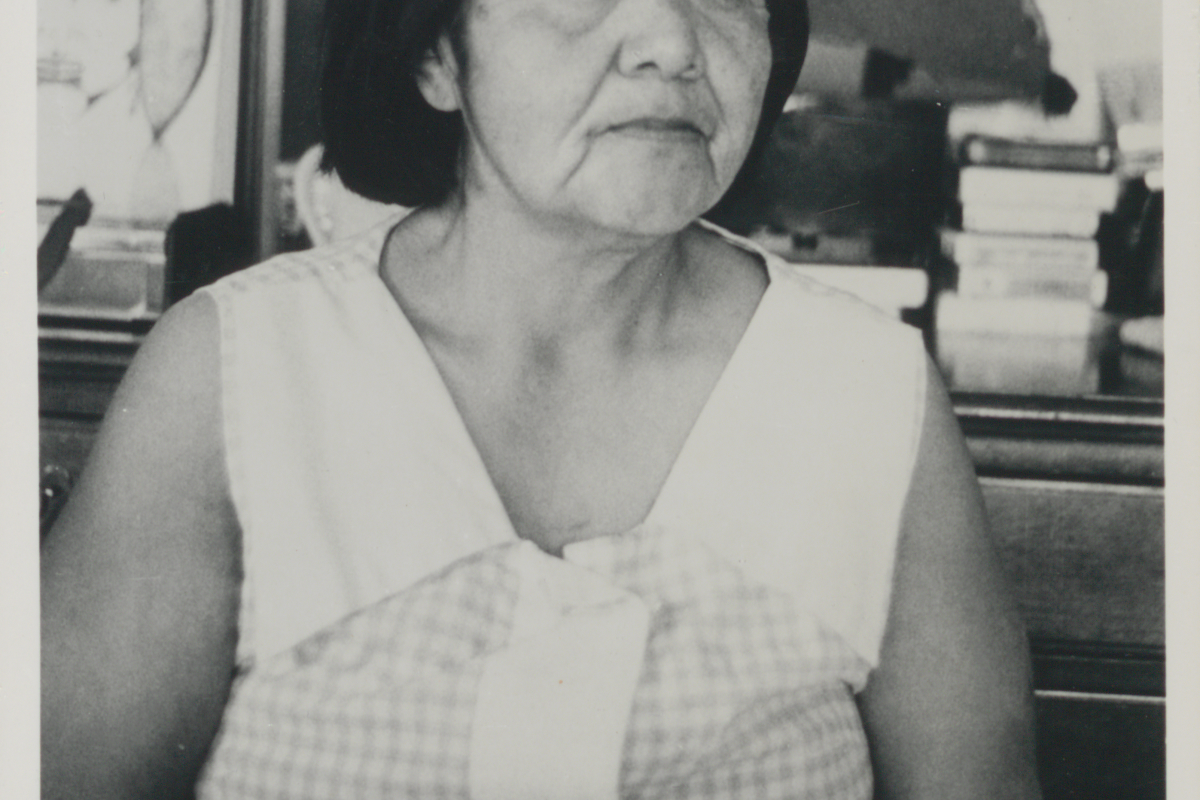
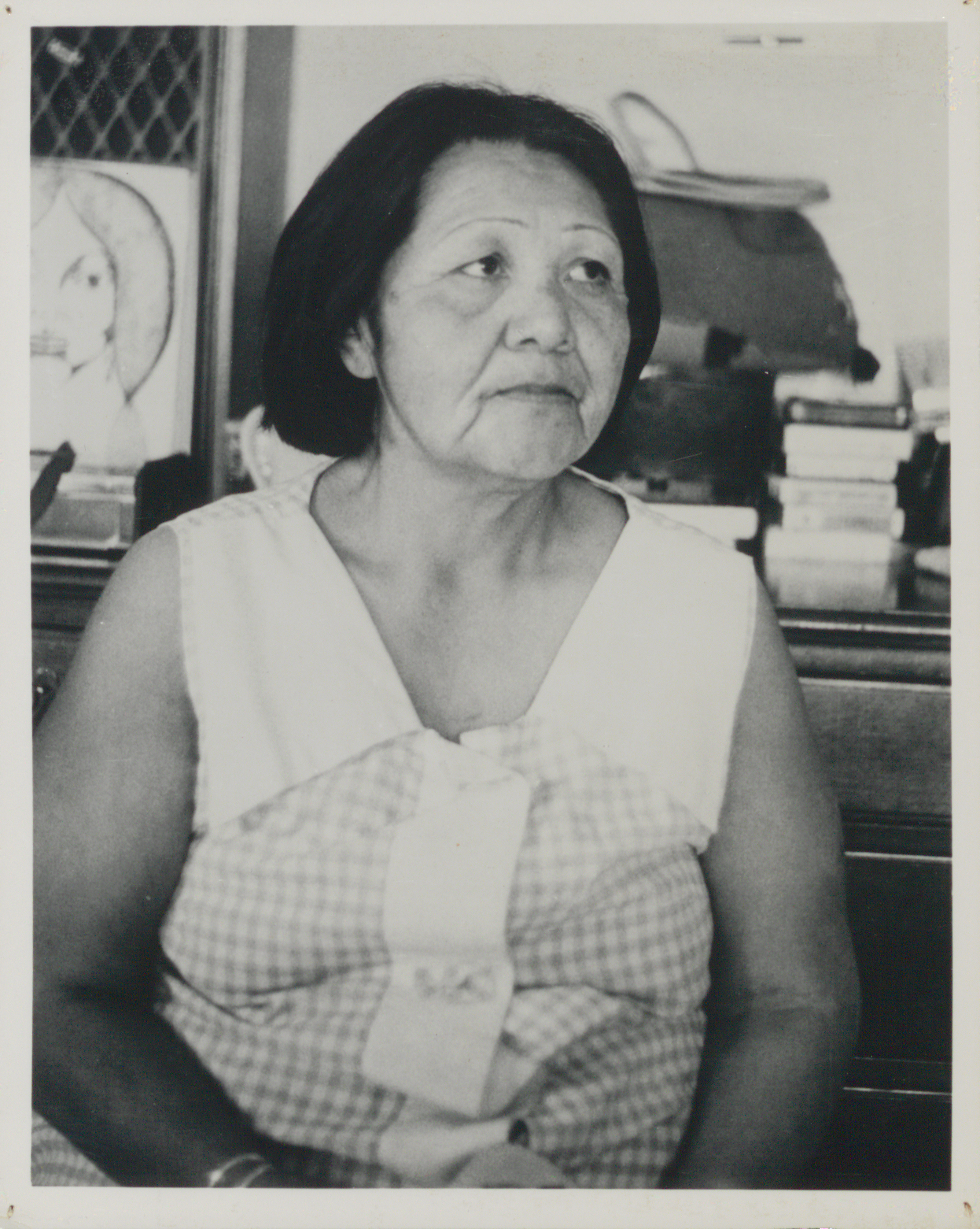
The photo above is of Angelina Wagon.
HEADPHONE USE IS HIGHLY RECOMMENDED!!!
Date: N/A
Description:
This audio covers various topics, starting with vocabulary related to identifying yourself and others. You will learn how to ask questions such as "What?" "What is this?" and "What am I holding?" as well as words for colors and clothing items.
When identifying yourself and others, you'll understand the difference between referring to someone (he/she) when they are near you versus when they are not.
In the vocabulary lessons, you will hear questions in English followed by their repetition in Shoshone. For example:
- "What am I holding?" ("Nu'h Heen-nah-yah-k?")
- "What is he/she holding?" ("sah-dah heen-nah-yah-k?")
- "What is he/she holding?" ("soo-doo heen-nah-yah-k?")
After that, you will be asked questions solely in Shoshone. A woman will respond in English, and then you repeat your answer in Shoshone. The answers will incorporate the vocabulary you have learned, including items like socks, hats, etc., as well as the colors of those items. Here’s an example of what to expect:
- Q: "Uh'n heen-nah-yah-k?"
- A: "I am holding a green shirt" ("nu'h boo-hee-gay-d gwah-soo nah-yah-k.")
The questions will vary to help you practice constructing sentences in Shoshone. You will be asked questions such as "What are you holding?", "What am I holding?", and "What is he/she holding?", both when the person is in sight and out of sight. The answers will change as well, for example: "I am holding a green shirt," "You are holding a red belt," or "He/She is holding black shoes."
At the timestamp of 19:47, you will learn a new set of words, including: house, animals, man, woman, child, "have," and "see," before reviewing the first set of words once again.


Attribution-NonCommercial-NoDerivatives 4.0 International (CC BY-NC-ND 4.0)